

Introduction: Dealing with Winter Storm Road Conditions
You know dealing with winter storm road conditions is no joke. It’s Monday Night. You saw the weather report. Snow has started to fall. The weather prediction center was saying there’d be a winter storm but you thought to yourself, “How bad could the winter weather get? I’m used to crappy road conditions! I’m taking 80 they always plow 80, I’ll be fine.”

You grip the wheel tighter, leaning forward to see through the sheet of snow ahead. The headlights of your truck hit the falling snow reducing visibility even further, but you push on.
Suddenly, the bright red brake lights of the car in front of you force you to instinctively slam your brakes. Your ABS kicks in but it’s too late as you throw your steering wheel to the right and find yourself slamming into a snow bank in the ditch.
No Stranger to Winter Storm Road Conditions
As a seasoned biker and personal injury attorney, I’ve seen firsthand how treacherous Midwest winters can be, especially for motorists in Iowa. According to the Iowa State Patrol, there have already been several traffic-related deaths in Iowa, and we’re only a week and a half into what many would call the “real” winter season.
Remember the snowstorm of January 9, 2024?, In case you don’t, it was a wicked one causing multiple pile-ups and treacherous driving conditions. It still serves as a stark reminder of winter’s unpredictability. Winters in Iowa mean theres always another predicted snowstorm event right around the corner. Its obvious that Mother Nature is an untamable beast.
Winter storm road emergencies are ultimately avoidable if you take the right precautions and are vigilant while navigating the roads. This article offers essential safety and legal tips for drivers facing winter road emergencies.
3 Essential Safety Tips for Winter Driving in Iowa
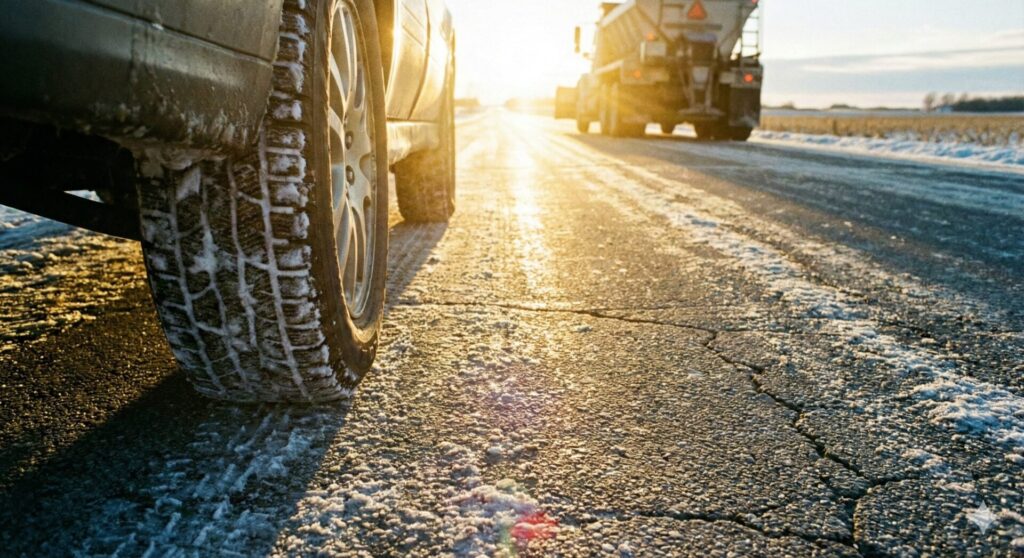

- Drive Cautiously: Reduce speed significantly and maintain a safe distance from other vehicles. Remember, it’s harder to control or stop your vehicle on icy or snow-covered roads, and your Anti-lock-break system (ABS) can be tricky when it kicks in unexpectedly.
- Visibility is Key: Keep your lights on and windshield clear. Make sure you’ve fully scraped off your windshield and headlights before hitting the road. If visibility is severely compromised, find a safe place to pull over.


What to Do If You’re Stuck in a Ditch During a Snowstorm
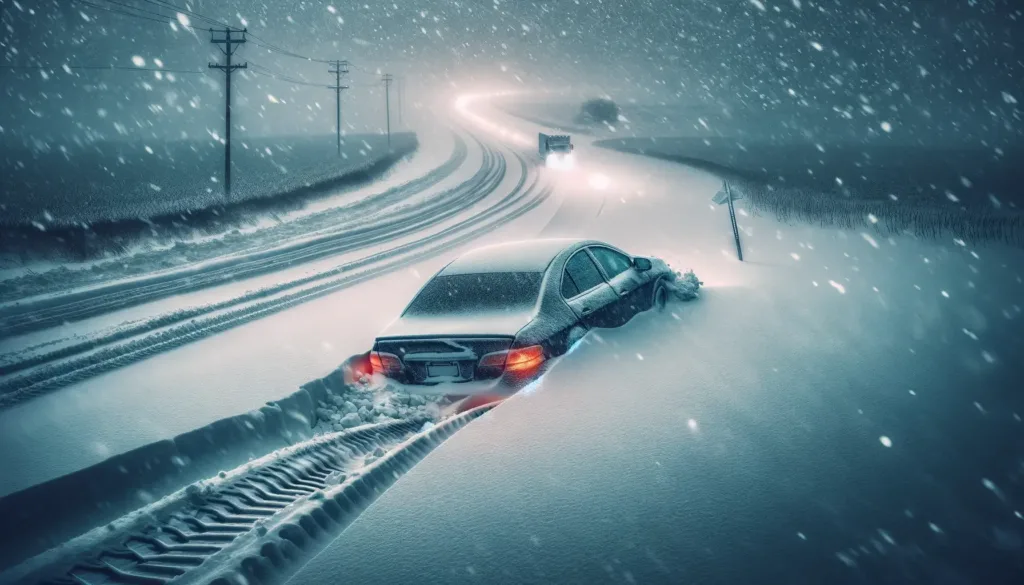
- Stay Calm and Stay Put: If you end up in a ditch, remain in your car unless it’s unsafe. Keep your seatbelt on and turn on your hazard lights.
- Assess the Situation: Take a moment to make sure that you and your passengers are okay and no one is seriously hurt.
- Call for Help: Use your phone to call for roadside assistance or emergency services.
- Conserve Energy: Run your engine and heater sparingly to conserve fuel. I know I recommended staying in your car, but if you expect to be stuck for a while, safely exit the vehicle to ensure the exhaust pipe is clear of snow to prevent carbon monoxide poisoning.
Download a Free Winter Road Emergency Guide
3 Legal Tips to Remember for Multi-Car Pile-Ups
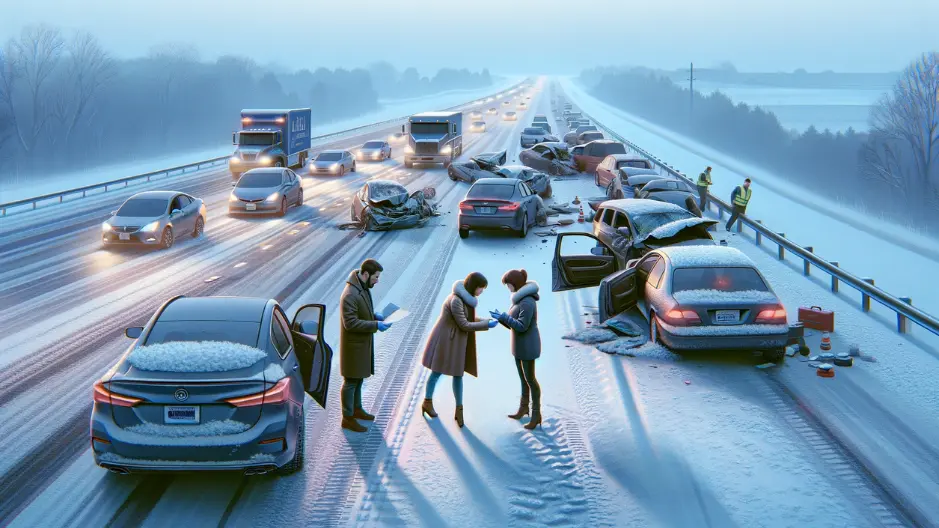
- Detailed Documentation:
- Take Photos: Capture different angles of the accident scene, including vehicle positions, road conditions, and any visible injuries.
- Note Details: Write down the time, location, weather conditions, and any relevant road signs or signals.
- Witness Information: If there are any witnesses, politely ask for their contact information.
- Exchanging Information Effectively:
- Essential Details: Exchange names, contact information, insurance details, and vehicle registration numbers.
- Stay Neutral: No matter how stressful the situation, try to remain calm. Politely exchange information without discussing fault or liability.
- Seeking Medical and Legal Attention:
- Immediate Medical Check: Visit a healthcare professional, even for minor discomforts, as some injuries manifest later.
- Consult an Attorney: Contact a personal injury attorney, especially if there are injuries or significant vehicle damage. They can guide you through insurance claims and potential legal proceedings.
Remember, these tips aim to help you navigate the aftermath of a multi-car pile-up more effectively and protect your legal rights, even if you’re not dealing with winter storm road conditions.
Injured? Here’s What to Do
If you’re injured, it’s essential to consult with a personal injury attorney who understands the specific challenges of winter driving accidents. Understand Your Rights: An experienced personal injury lawyer can guide you through the process of claiming compensation for medical bills, lost wages, and other damages.
Winter Road Emergency FAQ (Iowa Drivers Should Read This)
Click the (+) on any of the questions below.What should I keep in my winter emergency kit in Iowa?
A winter kit should help you stay warm, visible, and able to call for help. Include: blankets, gloves, hat, dry socks, jumper cables or a portable jump starter, an ice scraper, snow brush, small shovel, flares or triangles, flashlight with extra batteries, phone charger/power bank, snacks, bottled water, sand or kitty litter for traction, and a basic first aid kit.
When should I call 911 after a winter crash, even if it seems minor?
Call 911 if anyone might be hurt, vehicles are blocking traffic, visibility is low, or road conditions make the scene dangerous. Call if anyone reports pain or dizziness, if a driver seems impaired, or if any real damage occurred. When in doubt, call — it protects your health and your claim.
What evidence should I gather if I’m involved in a crash during bad weather?
If safe, take photos of all vehicles, damage, license plates, road conditions (ice, snow, skid marks), traffic signs, and injuries. Get witness names and contact info. Back up everything and share it with an attorney before giving detailed statements to insurance.
How do insurance companies handle winter-related crashes in Iowa?
They still look for driver negligence. Weather doesn’t excuse carelessness. Adjusters review police reports, photos, road conditions, speed, following distance, and driver behavior. Never assume “it was the ice” means you don’t have a claim.
Is a driver still at fault if the crash happened because of ice or snow?
Yes. Iowa drivers are still responsible for adjusting their speed and behavior to match the conditions. Sliding on ice usually means the driver failed to maintain control. Weather may explain the crash but rarely excuses negligence.
What steps should I take if the other driver slides into me?
Check for injuries, call 911, move vehicles out of traffic if safe, exchange info, take photos, and avoid arguments about fault. Get medical care even if you feel okay. Contact an attorney before speaking with the other driver’s insurer.
What should I do if my car becomes disabled or stuck during a winter storm?
Turn on hazard lights, stay visible, and stay in your vehicle unless you’re in danger. Call 911 if stuck on a highway or in a dangerous location. Run the heater in short bursts, keep a window cracked if the exhaust might be blocked, and use blankets to stay warm.
Should I talk to the other driver’s insurance company after a winter crash?
Be cautious. Adjusters are trained to shift blame or minimize your injuries. Even small statements can be twisted. Speak to a personal injury attorney first — they can handle communications for you.
How do I protect myself if the roads are too slick to take photos or move safely?
Stay in your vehicle with your seatbelt on if the scene is dangerous. Turn on hazard lights. Tell 911 that conditions prevent you from walking safely. Ask officers to document road conditions. Photos can be taken later if safe.
Can I file a claim if road conditions contributed to the crash?
Yes. Even if ice or snow played a role, another driver may still be liable if they were driving too fast, too close, or not paying attention. Fault is based on behavior, not just the weather.
What if the police can’t respond due to severe winter weather?
Exchange information, take photos if safe, and later contact law enforcement to file a report. Notify your insurance company without admitting fault. If injured, talk to an attorney — they can help fill in gaps when police can’t respond.
How does Iowa determine fault if multiple cars slide or collide?
Iowa evaluates each driver’s actions: speed, distance, attention, and response to conditions. Fault can be shared among multiple drivers. Multi-vehicle winter crashes are complex — legal help is often needed to sort out liability.
When should I call an attorney after a winter crash?
Call as soon as you know you’re hurt, fault is disputed, or the other driver is blaming the weather. An attorney protects you from unfair blame, deals with insurers, and helps determine the value of your claim.
What if I can’t feel injuries immediately because I’m cold or in shock?
This is very common. Cold and adrenaline mask pain. If symptoms appear later (headache, dizziness, back pain, numbness), get medical care immediately and report that it started after the crash. Delayed symptoms still count.
Does Iowa law require me to report a crash caused by ice or snow?
If anyone is hurt or property damage is significant, yes. Weather does not change reporting laws. When in doubt, report the crash so there is an official record.
What should I do if another driver blames the weather instead of their driving?
Stay calm, don’t argue, and focus on gathering information. Simply describe what happened. Later, an attorney can show how the driver failed to drive safely for the conditions.
Will my insurance rates go up after a winter accident in Iowa?
Possibly. It depends on your insurer, your driving history, and who is found at fault. If you’re wrongly blamed, rates can climb significantly — another reason to get an attorney involved early.
Conclusion
Winter driving in Iowa can be challenging, but being prepared and knowing the right steps to take can make all the difference. Remember, safety is paramount, and legal preparedness is your right. If you’ve been injured in a crash and need legal help, don’t hesitate to fill out the form below or call our free personal injury helpline at (319) 294-4424. At The Biker Lawyers, we’re here to help you ride through the legal storm.
Request a FREE Personal Injury Consultation