Injuries that change the way you work, move, sleep, earn a living, and live your daily life are considered Severe Personal Injuries.
A rider walks away from a crash thinking he is lucky. Two days later, his shoulder will not lift. A week later, imaging shows a tear. A month later, he is off work and surgery is on the table. That is how a crash can move from “I think I’m okay” to a serious injury claim.
Some injuries heal with time, rest, and a little grit.
Others change the way you work, move, sleep, ride, earn a living, and live your daily life.
That is when an injury may be considered severe.
A severe personal injury is not just an injury that hurts. It is an injury that causes serious medical treatment, a long recovery, lasting pain, permanent limitations, loss of function, serious scarring, disability, or a real change in the injured person’s future.
After a motorcycle crash, car crash, truck crash, or another serious accident, this distinction matters.
Insurance companies may try to treat an injury like it is minor because the first medical bill is not huge, the injured person walked away from the scene, or the full damage is not obvious right away.
But serious injuries do not always show their full hand on day one.
At The Biker Lawyers, P.C., we see this all the time. A rider thinks they are lucky to be alive. Then the pain gets worse. The scans show more damage. Surgery gets discussed. Work becomes impossible. Riding feels out of reach. The insurance company starts asking questions before the injured person even understands what recovery will look like.
This page explains what may make a personal injury severe, why that matters in an Iowa injury claim, and what injured riders and crash victims should watch for before talking settlement.
Quick Answer: What Is Considered a Severe Personal Injury?
A severe personal injury is usually an injury that causes major medical treatment, long-term harm, permanent limitations, loss of mobility, serious scarring, disability, chronic pain, lost income, or a major disruption to daily life.
Common examples can include traumatic brain injuries, spinal cord injuries, serious fractures, amputations, severe burns, internal injuries, organ damage, nerve damage, crush injuries, serious neck or back injuries, and injuries that require surgery or long-term treatment.
In Iowa, the phrase “serious injury” is used in certain legal contexts. But in a civil injury claim, the real issue is not just the label. The real issue is how the injury happened, how serious it is, what treatment is needed, how long recovery may take, and how the injury affects the person’s life.
Severe injury warning:
If you needed emergency care, missed work, were told you may need surgery, or your symptoms are getting worse, do not rush into a settlement. Severe injuries often take time to fully understand.
The name of the injury matters, but it is not the whole story. Severity depends on the damage, treatment, recovery, long-term effects, and how the injury changes the injured person’s life.
A broken bone that heals cleanly in six weeks is different from a shattered leg that needs surgery, hardware, months of therapy, and leaves the person with permanent pain.
A concussion that clears in a few days is different from a traumatic brain injury that causes headaches, memory problems, mood changes, dizziness, light sensitivity, or trouble working.
Road rash can be minor. It can also involve infection, nerve damage, skin grafting, permanent scarring, and serious pain.
That is why severe injury cases need to be looked at carefully.
The question is not only, “What injury did you suffer?”
The better question is:
What has this injury taken from your life?
Severe Personal Injury vs. Minor Personal Injury
A minor injury usually improves with limited treatment and does not cause major long-term problems.
A severe injury usually causes bigger consequences. It may involve emergency medical care, hospitalization, surgery, broken bones, head trauma, spinal damage, long-term pain, permanent scarring, loss of mobility, loss of strength, time away from work, future medical care, or a major change in daily life.
Minor injuries can still matter. Nobody should ignore pain after a crash.
But severe injuries usually create higher stakes because the injured person may be dealing with long-term medical, financial, physical, and emotional consequences.
What Makes an Injury Severe?
An injury may be considered severe when the damage goes beyond short-term soreness or a quick recovery. Here are some of the biggest signs.
The Injury Required Emergency Care or Hospitalization
If an ambulance, emergency room, trauma team, hospital stay, or specialist evaluation was needed, that is often a sign the injury may be serious.
This does not mean every ER visit creates a major claim.
But emergency care is usually the first sign that the body absorbed a serious impact.
In motorcycle crashes, emergency care can be especially important because riders may suffer multiple injuries at once. A rider may have a head injury, broken bones, internal injuries, and road rash from the same wreck.
The Injury Required Surgery
Surgery is one of the clearest signs that an injury may be severe.
That may include orthopedic surgery, spinal surgery, skin grafting, reconstructive surgery, surgery to repair internal injuries, or surgery to place plates, screws, rods, or pins.
Surgery also creates more than a medical bill.
It can mean time away from work, follow-up appointments, physical therapy, pain management, risk of complications, and permanent limitations.
The Injury Caused Long-Term Pain
Pain that lasts weeks, months, or years can change a person’s entire life.
Chronic pain can affect sleep, mood, work, family life, hobbies, and independence. It can wear a person down in ways that are hard to explain to someone who has never lived with it.
For bikers, chronic pain can also affect the ability to ride. That loss may not show up neatly on a bill, but it can be a major part of how the injury changes someone’s life.
The Injury Limited Mobility or Function
An injury may be severe if it changes how the person walks, lifts, bends, grips, stands, sits, works, drives, or takes care of themselves.
A shoulder injury may make it hard to work overhead. A back injury may make sitting or standing painful. A hand injury may affect grip strength. A leg injury may change the way a person walks. Nerve damage may cause weakness, numbness, or burning pain that never fully goes away.
These limitations matter because they affect real life.
A warehouse worker who cannot lift is not dealing with the same problem as someone who can return to a desk job in a few days. A rider who cannot use their clutch hand, turn their neck, or swing a leg over the bike has lost more than transportation.
They have lost a piece of who they are.
The Injury Caused Permanent Damage
Permanent injury is a major factor in severe personal injury claims.
A partial list of things that point to permanent damage includes scarring, disfigurement, chronic pain, nerve damage, amputation, vision loss, hearing loss, brain injury symptoms, spinal cord damage, and permanent work restrictions. If anything about your health is changed by the crash and hasn’t returned to normal within several months, you almost certainly have permanent damage.
Permanent does not always mean total disability.
It can mean the person never fully gets back to who they were before the crash.
That difference matters.
The Injury Affected the Person’s Ability to Work
A severe injury often affects income.
It may mean missed work, reduced hours, light-duty restrictions, lost overtime, job loss, or even a forced career change. For someone who works with their hands, stands all day, drives for a living, or does physical labor, an injury does not have to be catastrophic to threaten their income.
For many injured people, this becomes one of the scariest parts of the crash.
The bills keep coming.
The paycheck does not.
Insurance companies may look at wage loss as a number on a spreadsheet. For the injured person, it can mean stress, debt, and fear about how to support the family.
The Injury Changed Daily Life
Severe injuries do not stay in the doctor’s office.
They follow people home.
A severe injury can affect sleep, showering, driving, cooking, cleaning, walking the dog, picking up a child, going up stairs, mowing the yard, attending family events, riding a motorcycle, or simply getting through a normal day without pain.
This is one of the most overlooked parts of a serious injury claim.
Medical bills show part of the damage.
Daily life shows the rest.
Common Examples of Severe Personal Injuries
Every case is different, but some injuries are more likely to create severe, long-term consequences.
Traumatic Brain Injuries
A traumatic brain injury, often called a TBI, can happen when the head is struck, shaken, or exposed to violent force.
A brain injury may involve loss of consciousness, confusion, headaches, dizziness, memory problems, mood changes, vision problems, balance issues, sleep problems, sensitivity to light or noise, or trouble focusing.
Brain injuries can be difficult because the injured person may look fine from the outside.
That does not mean they are fine.
After a motorcycle crash, a brain injury should always be taken seriously, even if the rider was wearing a helmet.
A helmet can reduce risk. It does not make the rider invincible.
Spinal Cord Injuries
Spinal cord injuries are among the most serious injuries a person can suffer.
A spinal cord injury may cause paralysis, weakness, loss of sensation, chronic nerve pain, loss of mobility, or the need for long-term medical care and daily support.
These injuries can change every part of life. They may require home modifications, assistive devices, therapy, and a completely different way of moving through the world.
Serious Neck and Back Injuries
Not every neck or back injury is severe.
But some are.
Serious neck and back injuries may involve herniated discs, bulging discs, nerve compression, spinal fractures, chronic radiating pain, numbness, weakness, injections, or surgery.
These injuries can be hard fought because insurance companies often try to blame age, prior pain, or normal wear and tear.
That is why medical documentation matters.
The issue is not just whether someone had back pain before.
The issue is whether the crash caused a new injury, worsened an existing condition, or turned a manageable problem into something far worse.
Broken Bones and Orthopedic Injuries
Broken bones can range from simple to life-changing.
A clean fracture that heals well is one thing. A shattered bone, open fracture, joint injury, or crush injury is something else entirely.
Severe fractures may require surgery, hardware, months of therapy, and long recovery time. They may also leave the person with stiffness, weakness, arthritis, pain, infection risk, or permanent limitations.
Motorcyclists are especially vulnerable to broken legs, arms, wrists, ribs, shoulders, hips, ankles, and collarbones.
Those injuries can make it impossible to work, drive, ride, or handle normal daily tasks for months.
Amputations and Loss of Use
Amputation is one of the clearest examples of a severe personal injury.
But loss of use can also be severe.
A person may still have the limb but lose normal strength, feeling, grip, balance, or coordination. Foot drop, severe nerve damage, loss of hand function, or permanent weakness can change work, movement, independence, and quality of life.
The legal claim should account for the real-world impact, not just the medical name of the injury.
Severe Burns and Road Rash
Road rash is sometimes treated like a biker joke.
It is not.
Severe road rash can involve deep tissue damage, infection, nerve damage, skin grafts, permanent scarring, disfigurement, and chronic pain.
Burn injuries can create similar problems, especially when they involve large areas of the body, the face, hands, joints, or sensitive skin.
Scarring and disfigurement can also affect confidence, relationships, mental health, and quality of life.
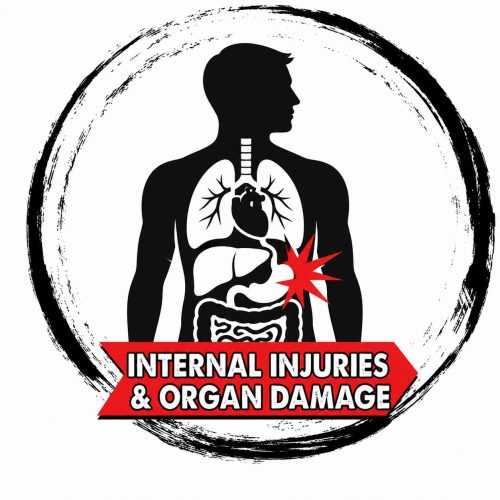
Internal Injuries and Organ Damage
Internal injuries can be dangerous because they are not visible to the naked eye.
After a serious crash, internal injuries may involve internal bleeding, punctured lungs, spleen injuries, liver injuries, kidney injuries, bowel injuries, other organ damage, or rib fractures with complications.
Anyone with chest pain, abdominal pain, shortness of breath, fainting, weakness, or worsening symptoms after a crash should seek medical care right away.
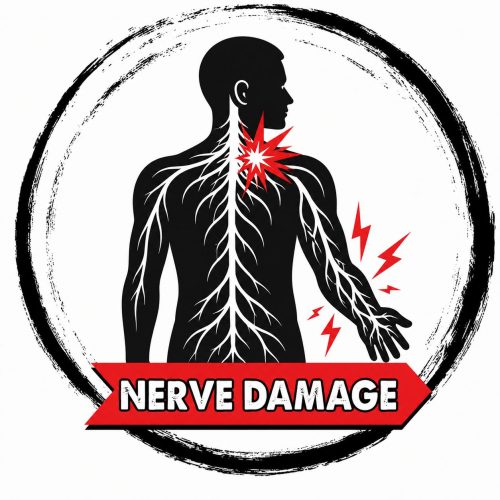
Nerve Damage
Nerve damage can create pain and limitations that are hard to explain to someone who has never felt it.
It may cause burning pain, shooting pain, numbness, tingling, weakness, loss of coordination, loss of feeling, or sensitivity to touch.
Nerve injuries can be especially frustrating because symptoms may last long after bones heal or wounds close.
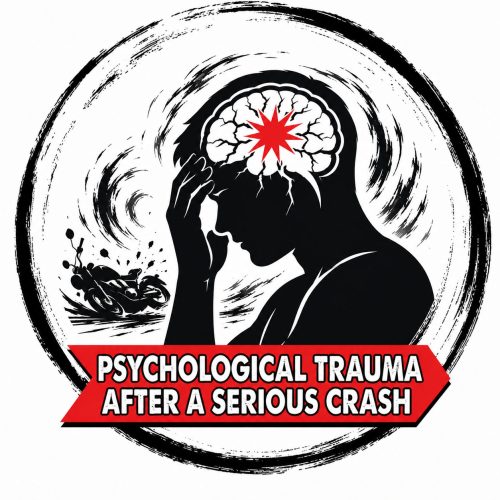
Psychological Trauma After a Serious Crash
A severe physical injury can also cause serious emotional and psychological harm.
After a major crash, some people deal with anxiety, depression, nightmares, panic while driving or riding, fear of intersections, flashbacks, sleep problems, isolation, or loss of identity.
This is not weakness.
It is part of what can happen when the body and mind go through trauma.
For injured riders, the emotional side can be especially heavy. A motorcycle is not just a machine. For many riders, it is freedom, community, stress relief, and identity.
A crash can take that away, at least for a while.
Sometimes forever.
Why Motorcycle Crashes Often Cause Severe Injuries
Motorcycle crashes are different.
A person inside a car has a frame, airbags, seatbelts, and more physical protection.
A rider has balance, skill, gear, and awareness.
That is not the same thing.
When a car, truck, or SUV hits a motorcycle, the rider may be thrown onto the pavement, into another vehicle, into a ditch, or into a fixed object. Even at lower speeds, the body can take a violent hit.
That is why motorcycle crashes often involve brain injuries, spinal injuries, broken bones, internal injuries, road rash, crush injuries, nerve damage, amputations, or wrongful death.
Motorcycle crashes can also involve rider bias.
A driver may say, “I never saw the motorcycle.”
An insurance company may question speed, lane position, helmets, clothing, braking, or whether the rider should have somehow avoided the crash.
Those arguments can start shaping the claim early.
They should not decide the truth.
A Severe Injury May Not Feel Severe Right Away
Some people walk away from a crash and think they are okay.
Then the adrenaline wears off.
The next day, they can barely move.
A week later, the symptoms are worse.
A month later, they are still not back to normal.
That does not mean they are making it up.
Crash injuries can develop or become clearer over time. Swelling, inflammation, soft tissue damage, nerve symptoms, brain injury symptoms, and back problems may not be fully obvious at the scene.
This is one reason medical care matters.
Delaying treatment can hurt your health. It can also give the insurance company an argument.
They may say:
“If you were really hurt, why didn’t you go to the doctor sooner?”
That argument is not always fair.
But they may still use it.
How Severe Injuries Affect a Personal Injury Claim
A severe injury claim is usually more complex than a minor injury claim.
That is because the damages may go far beyond the first medical bill.
A serious injury claim may involve past medical bills, future medical care, surgery costs, physical therapy, medication, medical equipment, lost wages, loss of future earning ability, pain and suffering, permanent impairment, scarring, disfigurement, loss of normal life, home changes, vehicle changes, or long-term care needs.
The more serious the injury, the more important the evidence becomes.
Insurance companies almost never offer anything close to the full value of a severe injury claim just because the injury is real.
If you were badly hurt in a crash, documentation matters.
Important evidence may include:
Ambulance records
ER records
Hospital records
Imaging results
Surgical records
Specialist reports
Physical therapy notes
Work restrictions
Pain management records
Photos of injuries
Photos of scarring
Photos of vehicle damage
Crash scene photos
Witness statements
Police reports
Wage records
Tax records
Family observations
A daily pain and recovery journal
The goal is not to make the injury look worse.
The goal is to show the truth clearly.
A severe injury often affects the parts of life that do not show up neatly in a medical chart. That is why photos, notes, work records, family observations, and daily-life details can matter.
Red Flags That Your Injury May Be Severe
You should take the injury seriously if any of the following are true:
You went to the ER after the crash
You were taken by ambulance
You lost consciousness
You hit your head
You have confusion, dizziness, or memory problems
You have numbness, tingling, or weakness
You broke a bone
A doctor recommended surgery
You were admitted to the hospital
You cannot work
You have work restrictions
You need physical therapy
Your pain is not getting better
You have visible scarring
You cannot walk, lift, bend, grip, or move normally
You are missing normal life activities
You are afraid to drive or ride
The insurance company is pushing for a fast settlement
If several of these apply, do not treat the claim like a simple paperwork issue.
Trustindex verifies that the original source of the review is Google.
These guys are amazing got me and my brothers , a settlement for my mother's wrongful death case. Amazing guys to work with and transparent
Posted on Google
Mr Gerald
Trustindex verifies that the original source of the review is Google.
Amazing, always did great work an was heavily invested in my case an went out of his way to do the best job possible. Highly suggested
Posted on Google
Star Horak
Trustindex verifies that the original source of the review is Google.
Pete and his team did an outstanding job representing me in my case. They were compassionate about my situation and consistently put my best interests first. Their preparation was thorough — from testimony and fact gathering to data collection — which led to an excellent resolution. I’m deeply grateful for their hard work and professionalism and truly glad I chose Biker Lawyers PC to represent me.
Posted on Google
Julie Green
Trustindex verifies that the original source of the review is Google.
After a terrible motorcycle accident, The Biker Lawyer helped me with my claim.
Posted on Google
Clint Vargason
Trustindex verifies that the original source of the review is Google.
Pete and his group has always done a great job
Thank you
Posted on Google
John Greene
Trustindex verifies that the original source of the review is Google.
Pete and his crew went well above my expectations, I am very satisfied with the outcome of what could have been a nightmare, I don't think anyone else would have done as much as Pete and his staff ,even after the settlement they were there as needed !! I highly recommend them ,
Posted on Google
Marjorie Moss
Trustindex verifies that the original source of the review is Google.
I am very pleased with the job everyone at your office provided for me. I would definitely recommend you.
Posted on Google
Harley Barnes
Trustindex verifies that the original source of the review is Google.
Pete and the team did a great job on my case!
Posted on Google
Michael Benson
Trustindex verifies that the original source of the review is Google.
Outstanding attorneys! Very understanding and patient. From the date of my accident to settlement was less than a year. Very satisfied. Highly recommended attorneys if you ever need legal help!
Why You Should Be Careful With Early Settlement Offers
A fast settlement can sound good when bills are piling up.
But severe injuries take time to understand.
You may not know yet whether you need surgery. You may not know whether you can return to work. You may not know whether pain will become permanent. You may not know whether future medical care will be needed.
Once you settle and sign a release, the claim is over.
That means if your condition gets worse later, you may not be able to go back and ask for more.
This is especially dangerous after serious motorcycle crashes because the full cost of recovery may not be clear for weeks, months, or even years.
Before accepting a settlement, make sure you understand the diagnosis, the treatment plan, future medical needs, work restrictions, lost income, long-term limitations, permanent damage, available insurance limits, and whether fault is being disputed.
Do not let an insurance company rush you into closing the case before the full damage is known.
Before You Sign, Know What You’re Giving Up
If your injury may require more treatment, surgery, therapy, or time away from work, do not let the insurance company rush the clock.
The Biker Lawyers can review your situation for free and help you understand what may be at stake before you sign a release.
In Iowa, serious injury claims can involve several legal issues.
One is timing. Iowa personal injury claims must be filed within a certain deadline. Waiting too long can put the claim at risk.
Another is fault. Iowa uses comparative fault rules. If the injured person is blamed for part of the crash, that can affect the claim. If the insurance company can shift enough blame onto the injured person, it may try to reduce or avoid payment.
This is one reason severe injury claims need careful handling.
The insurance company may not only argue about the injury. It may also argue about how the crash happened.
For injured motorcyclists, that can mean arguments about speed, visibility, helmets, lane position, braking, evasive action, or whether the driver could have seen the bike.
Those arguments need evidence.
Not assumptions.
When Should You Talk to a Personal Injury Lawyer?
You do not need a lawyer for every bump, bruise, or sore muscle.
But you should strongly consider talking to a lawyer if you were seriously injured, taken to the hospital, told you may need surgery, forced to miss work, unable to return to your normal job, blamed for the crash, contacted for a recorded statement, pressured to settle, or told the other driver has little or no insurance.
A severe injury claim is not just about getting bills paid today.
It is about protecting your future.
What The Biker Lawyers Look At in Severe Injury Cases
When we review a serious injury case, we are not only looking at the crash report.
We want to understand the whole picture.
How did the crash happen? Who may be at fault? What is the insurance company saying? What injuries were diagnosed? Are symptoms getting worse? Has surgery been discussed? Are there work restrictions? Has income been lost? Will future care be needed? Has the injury affected riding, work, family life, or independence?
For bikers, we also understand something most general legal content misses.
A crash is not just damage to a body and a bike.
It can take away freedom, confidence, community, and the thing that made the road feel like home.
That deserves to be taken seriously.
What To Do After a Severe Injury
If you believe your injury may be severe, take these steps seriously.
Get Medical Care and Follow Through
Do not try to tough it out.
Get checked. Follow the treatment plan. Keep appointments. Tell your doctors what hurts and what has changed.
Keep Records
Save medical paperwork, bills, discharge instructions, work notes, photos, repair estimates, insurance letters, and emails.
Document How the Injury Affects Your Life
Write down what you cannot do, what hurts, what activities you miss, and how the injury affects your sleep, mood, work, family, and daily routine.
Be Careful With Insurance Calls
Insurance adjusters may sound friendly, but their job is not to protect your claim.
Be careful with recorded statements, broad medical authorizations, early settlement offers, and casual comments that can be taken out of context.
Do Not Post About the Crash Online
Social media can be used against you.
Even an innocent photo, joke, check-in, or comment can be twisted to suggest you are less injured than you are.
Talk to a Lawyer Before Signing Anything
Before you sign a release or accept a final settlement, make sure you understand what you are giving up.
Severe Personal Injury FAQ
Click the (+) on any of the questions below.
Is there a legal difference between personal injury and severe personal injury?
Yes, there can be a practical difference. A personal injury claim can involve many levels of harm, from short-term injuries to permanent disability. A severe personal injury usually involves major medical treatment, long recovery, lasting pain, permanent limitations, loss of function, disfigurement, or a serious change in daily life.
What injuries are usually considered severe?
Common severe injuries include traumatic brain injuries, spinal cord injuries, serious fractures, amputations, severe burns, internal injuries, organ damage, nerve damage, crush injuries, serious neck or back injuries, and injuries requiring surgery or long-term treatment.
Is a broken bone considered a severe injury?
It can be. A simple fracture that heals quickly may be less severe than a shattered bone that requires surgery, hardware, therapy, and months away from work. Severity depends on the treatment, recovery, complications, and long-term effects.
Is a concussion considered a severe personal injury?
A concussion can be serious, especially if symptoms last or affect memory, mood, balance, sleep, vision, or the ability to work. Any head injury after a crash should be taken seriously and evaluated by a medical professional.
Can road rash be a severe injury?
Yes. Road rash can be severe if it causes deep tissue damage, infection, nerve damage, skin grafting, permanent scarring, or long-term pain. It should not be dismissed just because people use the phrase casually.
What if my injury got worse after the crash?
That can happen. Some injuries become clearer after adrenaline wears off or inflammation develops. Get medical care, explain when symptoms began, and keep records of how the injury changes over time.
Why does injury severity matter in a claim?
Severity affects medical treatment, future care, lost income, pain, permanent limitations, and overall case value. Serious injuries usually require stronger documentation and a careful review before settlement.
Should I accept an insurance settlement if I have a severe injury?
Be careful. If the injury may require more treatment, surgery, therapy, or future care, settling too early is risky. Once a release is signed, you cannot ask for more later.
Do severe motorcycle injury claims get treated differently?
They can. Motorcycle crashes often cause serious injuries, and riders may face unfair assumptions about speed, helmets, visibility, or riding behavior. Those arguments need to be answered with evidence, not bias.
When should I call The Biker Lawyers?
Call if you were seriously hurt, hospitalized, missed work, may need surgery, have long-term symptoms, or feel like the insurance company is blaming you or rushing the claim. A free consultation can help you understand your options before you make a decision that affects your future.
Injured Badly? Do Not Let the Insurance Company Define Your Future.
If a crash left you with serious injuries, surgery, missed work, long-term pain, or questions about what comes next, talk to The Biker Lawyers before you accept the insurance company’s version of the story.
You do not have to know whether your injury is severe enough before you call.
That is what the consultation is for.
The Biker Lawyers, P.C. helps injured riders, drivers, passengers, and families understand their options after serious crashes in Iowa and the Midwest.
If this sounds like your situation, we will review your case for free.





 Spinal Cord Injuries